

Innovation Isn’t Just About Technology

Written by Lane Kreiling, Class of 2027 Fellow

When most people hear the word innovation, they immediately think of cutting-edge technology, artificial intelligence (AI), or the next big breakthrough. As our Illinois Agricultural Leadership Program Class of 2027 spent the week in Chicago exploring innovation and technology, I certainly expected to learn about those topics. We did. But I left with a different takeaway: Innovation isn't just about technology…it's about people, partnerships, and the willingness to adapt.
Throughout our time in the Windy City, we had the opportunity to hear from leaders across multiple industries, each approaching innovation from a different perspective. Our conversations at the ADM Headquarters explored topics ranging from artificial intelligence and carbon sequestration to the growing role of venture capital (VC) and corporate venture capital (CVC) in bringing new ideas to agriculture. While these concepts are transforming the industry, one message stood out: Innovation doesn't happen on its own. It requires collaboration between established companies, entrepreneurs, researchers, and investors who are willing to solve problems together and take risks.

Artificial intelligence was a recurring topic throughout the seminar. AI has tremendous potential to improve efficiency, analyze massive amounts of data, and help businesses make better decisions. Yet every speaker emphasized that technology is only as valuable as the people using it. AI is not here to replace humans, but to enhance human thinking. It’s also important to remember that technology cannot replace the interactions between humans. The relationship between individuals and/or organizations is the most important part of the equation.
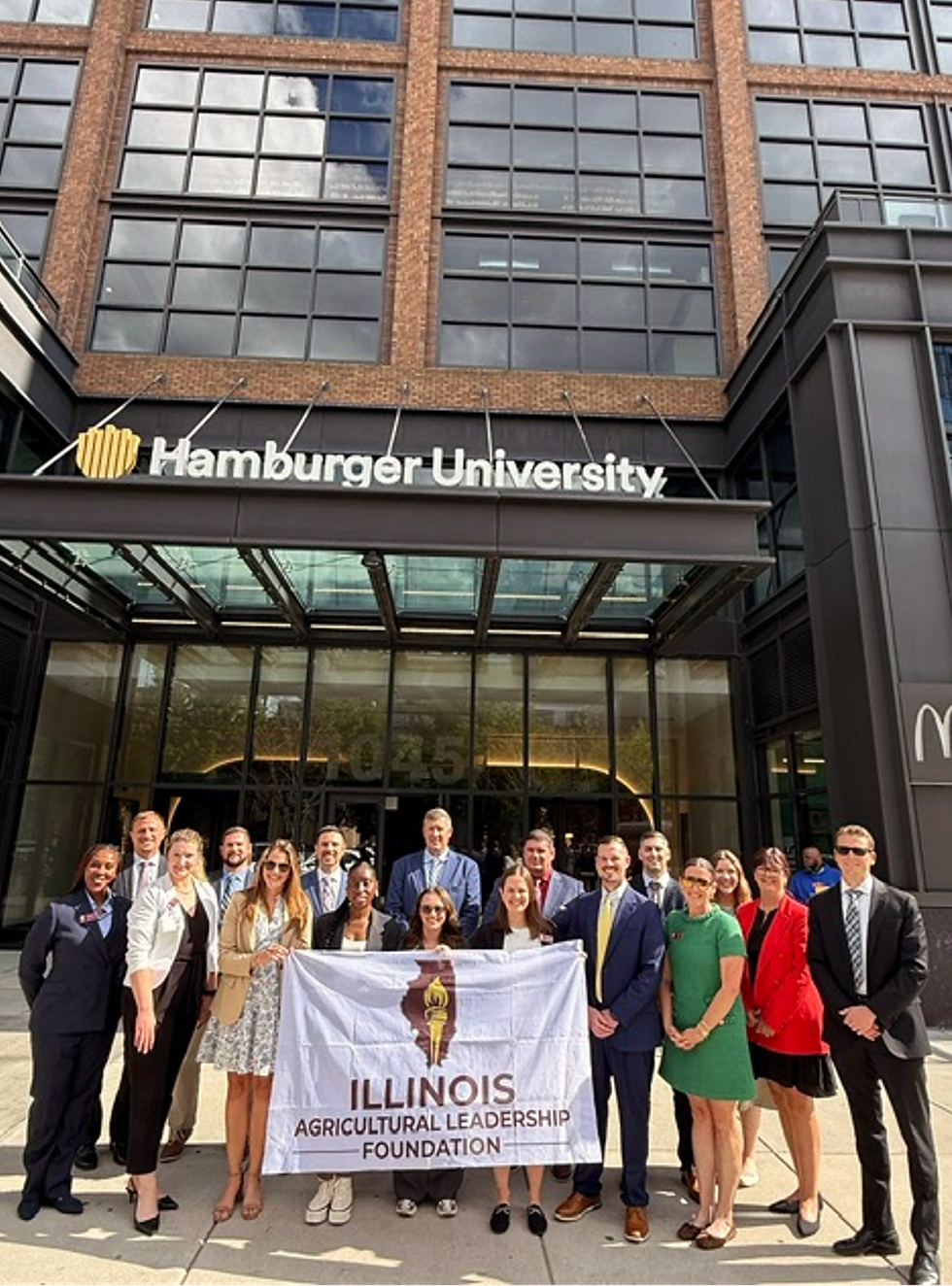
Another highlight was visiting McDonald's Global Headquarters. While many people associate McDonald's with hamburgers, fries, and the Shamrock Shake, we gained a behind-the-scenes look at one of the world's most complex supply chains. What impressed me most wasn't just the scale of their operation—it was the emphasis on resilience. Hiccups can happen at any time for any reason and can affect not just the bottom line but also the end product lacking the desired tasted or vision.
The last several years have reminded every industry that disruptions are inevitable. Whether it's weather, transportation, labor shortages, or global events, resilient organizations prepare for uncertainty rather than simply reacting to it. McDonald's demonstrated how strong partnerships, flexibility, and continuous improvement allow them to consistently serve millions of customers every day.

Just as important was the conversation surrounding company culture. Innovation cannot thrive in an environment where people are afraid to share ideas or challenge the status quo. Organizations that continue to grow intentionally build cultures of trust, curiosity, and collaboration. Technology may create opportunities, but people determine whether those opportunities become reality.
We also heard from Brad Fruth of Beck's Hybrids, who shared how Beck's continues investing in innovation while staying true to the company's mission of serving farmers. As someone who works for Beck's, it was encouraging to hear how innovation remains centered on delivering value to customers rather than simply adopting technology for technology's sake. Whether through research, data, breeding, or digital tools, every investment begins with one question: How does this help farmers succeed?

Reflecting on our time together in Chicago, I realized that innovation isn't defined by the newest technology. It's defined by an organization's willingness to learn, collaborate, and continually improve. Artificial intelligence, carbon markets, startup investments, and resilient supply chains are all important pieces of the future, but none of them matter without people who are willing to think differently and work together.
Agriculture has always been an industry built on innovation. From improved genetics to precision agriculture, each generation has embraced new ideas while remaining grounded in the goal of feeding a growing world. Our seminar on Innovation and Technology, sponsored by Farm Credit Illinois, reinforced that the next chapter of agriculture won't simply be written by new technology—it will be written by leaders who have the courage to embrace change while keeping people at the center of every decision.


Comments