

We need each other to succeed in the globalized world
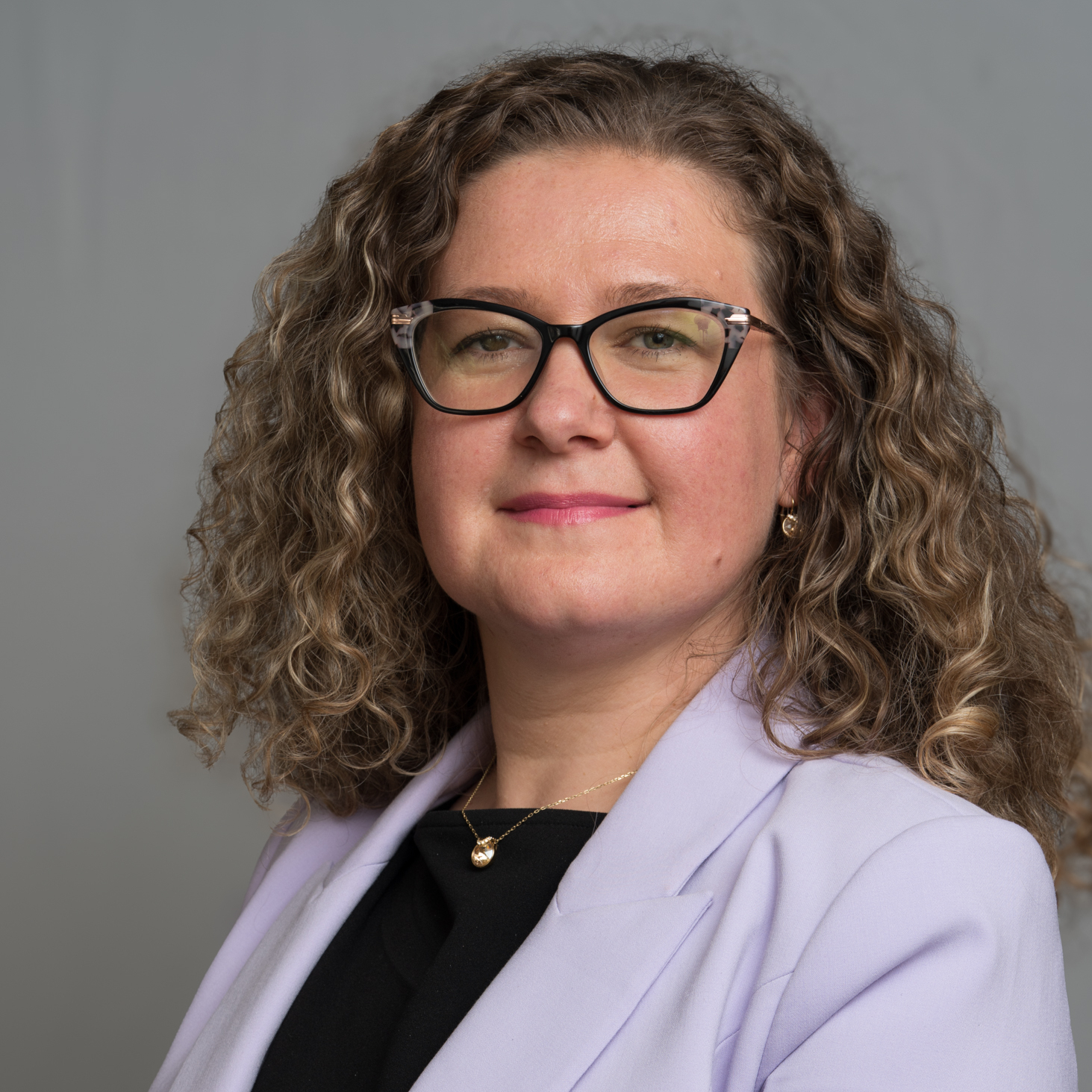
Written by Dr. Iuliia Tetteh, Class of 2027 Fellow

Farmers’ job have always been a noble but challenging: feeding the world. But today, to do that effectively, they must overcome a set of challenges before them: climate change and resource scarcity, volatile global markets, complex supply chains, and constantly changing preferences of increasingly informed consumers. Some of these challenges are familiar, but many are new. We may think of them as distant issues in other parts of the world, but in reality, they are right at our doorstep in Illinois.
The IALP Class of 2027 had a unique opportunity to explore how various food and agribusiness stakeholders tackle these issues during the Global Challenges and Food Systems Seminar in St. Louis this past August. As I reflect on what we saw, learned and discussed, two key takeaways rise to the surface: (1) We need each other, and (2) we must be open to new ways of doing business. Innovation, partnerships and openness to fresh approaches are essential to solving the complex problems facing today’s global agriculture.
Our tour of BioSTL and the JJK-FAN initiative provided excellent examples of how complex issues can be resolved through effective partnerships. BioSTL’s founder recognized that St. Louis’s strategic location—surrounded by 80% of the nation’s grain production, boasting a high density of plant science Ph.D.s, and maintaining a strong ag and health industry presence—made it the perfect home for an ag tech innovation hub. However, great ideas cannot move from the lab to consumers without infrastructure connecting operational needs with innovative minds.

Through partnerships with educational institutions, capital providers and international organizations, BioSTL shortens failure points for startups and helps bring solutions to market—particularly in row-crop production. This ecosystem gives startups access to capital equipment, a skilled workforce, initial funding and growth investors. Recognizing that tech startups often lack field experience, BioSTL bridges the gap by facilitating early customer validation and commercialization. Furthermore, BioSTL sources solutions globally, establishing soft-landing avenues for international firms—such as startups from Argentina and Israel—to serve local market needs and boost economic growth.
Simultaneously, the Jackie Joyner-Kersee Food, Agriculture and Nutrition (JJK-FAN) Innovation Center in East St. Louis demonstrates how planting seeds of appreciation for agriculture can educate local youth and showcase ag as a viable career path. By combining athletics and agriculture around health and wellness and partnering with the Donald Danforth Plant Science Center and University of Illinois Extension, JJK-FAN brings industry experts together with bright young minds. This shifts the rising generation’s perspective to view food and agriculture as integral to personal health, reshaping how our industry connects with future consumers.
Later, a farm trailer ride at Eckert’s Farm reminded us of the challenges of steering an eighth-generation family business with high capital requirements, long asset lifecycles and rapidly shifting consumer preferences. Lary Eckert, owner and former president, shared an insight that stood out: “What worked 10 years ago simply does not work now because consumers are changing so fast. We are in the agritainment business now, not just production agriculture.” By expanding into agritourism and pick-your-own operations, Eckert's recognized that modern consumers demand experiences alongside products. Even though an apple tree's productive lifespan is roughly 20 years, the farm manage orchards on much shorter cycles to align with evolving tastes. Regardless of where an operation sits in the supply chain, success requires staying close to the end consumer and adapting on the go.

Finally, visiting Prairie Farms Dairy highlighted that while technology solves supply-side challenges, organizational agility future-proofs market growth. Whether responding to shifting demand for specialized cottage cheese, lactose-free options or sustainable production practices, success hinges on evaluating market shifts and executing quickly.
Broader panel discussions with leaders from Nutrien, Bunge, CoBank and Ruveon reinforced the necessity of understanding global dynamics—from the geopolitical impacts of the Russia-Ukraine war on grain exports to shipping disruptions in the Strait of Hormuz. Individual producers cannot shift the needle alone; we need a village. We must see a partner in each other, learn from one another and build common ground to succeed in the long run.


Comments