

Trust Isn’t Soft Work: Lessons from Closing the Trust Gap
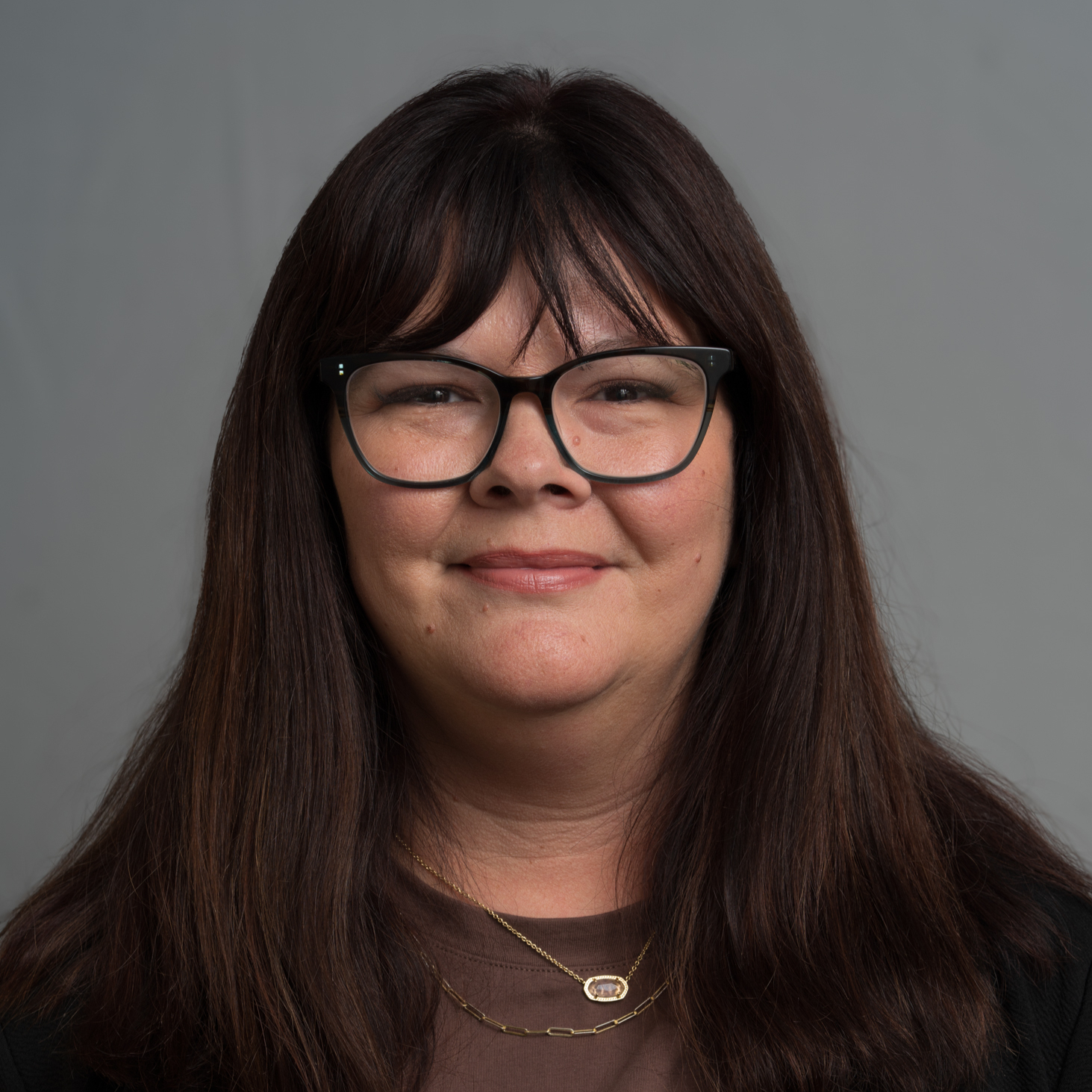

When we were given the option to choose which program session to write a blog post about, my reaction was immediate: Oh, this one is definitely for me. Let’s be honest, in an 18-month program, why wouldn’t I want to check this off my list by the third session? (Also, the idea of my writing or opinions being judged right out of the gate had my nerves doing a little dance.)
Then I saw the topic: trust. I work in people. Soft skills are my jam. I figured I already knew this stuff.
Spoiler alert: I did not.
That realization alone is a good reminder of why curiosity matters. Even in areas where we feel confident, there’s always more to learn.
For our December session, our cohort read Closing the Trust Gap: Taking Action on What Matters Most for Leaders, Teams, and Organizations by Dr. Cory Scheer. We then had the opportunity to spend an hour on Zoom with Cory himself, discussing the book and sharing real-world examples with 24 highly engaged peers.

What stood out to me immediately was that this book isn’t just about why trust matters. We all know trust impacts engagement, retention, decision-making, and performance. Cory goes further by focusing on the work of trust — the specific actions leaders can take to close gaps that exist in their organizations and relationships.
One concept that really stuck with me was how Cory framed truth. He distinguished between objective truth (facts, policies, plans, metrics) and subjective truth (perceptions, experiences, perspectives). Both matter. Effective leadership requires navigating and reconciling the two to create shared understanding. For me, this was a powerful reminder that my truth is not always everyone’s truth — and ignoring that gap can quietly erode trust.
Another big takeaway was the Structure of Trust™ framework, which applies to both people and policies, practices, and planning. Trust is built on three essential building blocks: competency, problem-solving, and care for others. All three matter, and weakness in any one undermines trust. The “aha” for me was realizing how often organizations overlook these same building blocks when designing policies and programs. Why would people trust systems that lack clarity, capability, or care?
Our breakout discussions brought all of this to life, from leaders admitting mistakes, to transparent communication around hard truths, to investing in competency and stronger problem-solving systems.
What am I walking away with here? Trust isn’t abstract or soft. It’s intentional, actionable, and foundational. And reflecting on how we build it, especially during times of healthy conflict, change and growth, is work worth doing.


Comments