

Meet In the Middle: Ag Policy Seminar
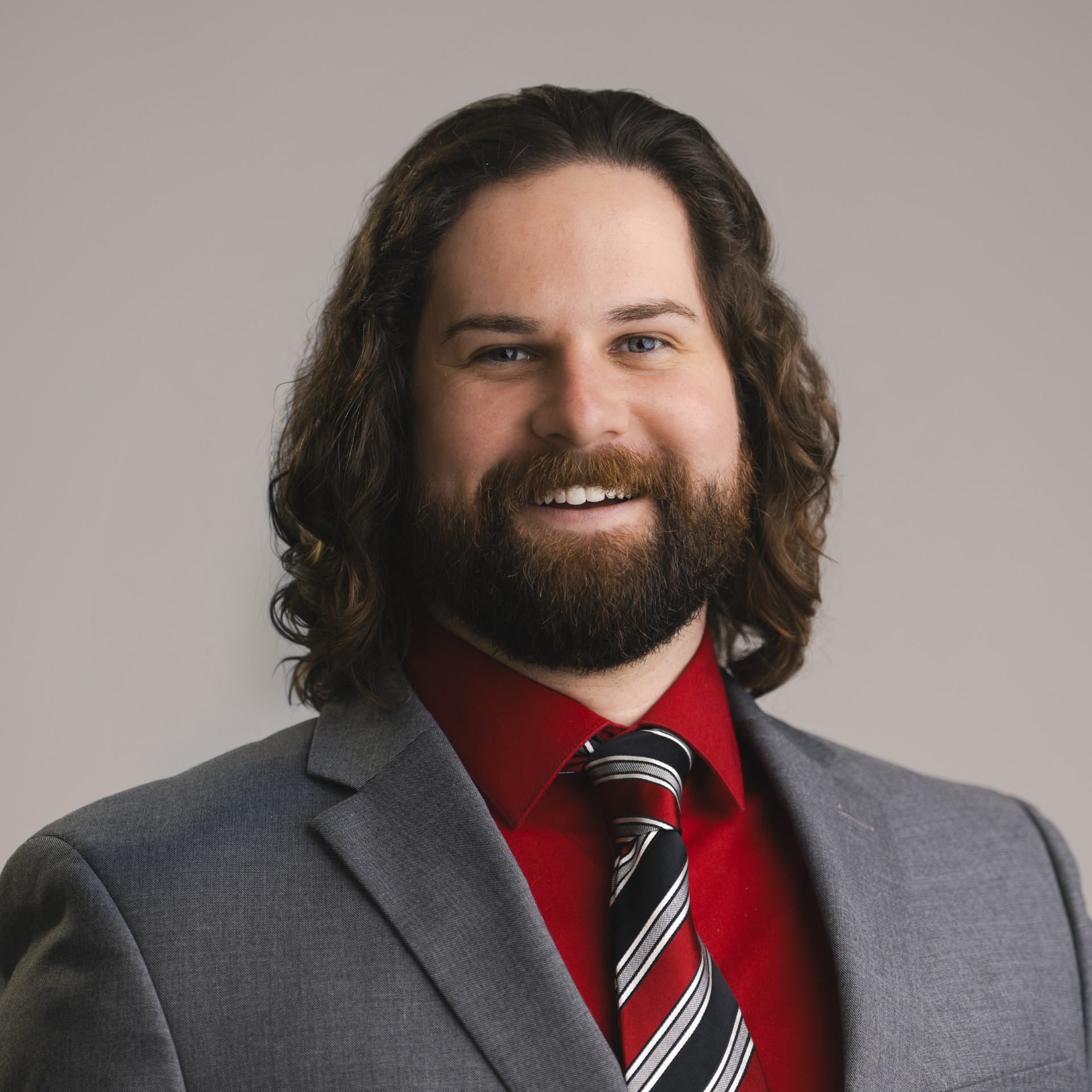

Unfortunately, I was unable to attend the last in-person seminar due to illness and in addition to those symptoms I came down with FOMO: “Fear of Missing Out.” Reading through the group chat and living vicariously through the shared photos made me even more bummed out. To make matters worse, two more illnesses knocked me off my feet and kept me down throughout the holidays and into the new year. I was both physically and mentally exhausted.
Everything I’ve consumed recently through social media, farm publications, webinars, and conferences have focused on the doom and gloom that is the farm crisis. The farm economy is in the dumps, yet input prices continue to trend higher. Supply is at an all-time high, and the demand continues to stay below breakeven prices. I’ve listened to economists ponder if some crucial markets haven’t entirely been erased. The future of agriculture doesn’t look good and if you’re a young farmer maybe it’s time to get out now. All of these sentiments had consumed my thoughts day after day as I struggled to put together my farming plan for 2026.
So, when I arrived on campus at the University of Illinois, I was in desperate need of a win. I couldn’t find it at first though. Before the Kim Morton Agricultural Policy Seminar even started, I had to walk across the quad in the middle of a snow squall, a term I only learned from the emergency alert that popped up on my cell phone. With cold toes, a frozen beard, and probably a snotcicle or two, I settled in for day one.
We started off the day with an activity called “Would You Rather, Ag Policy Edition.” The question I had to answer was whether I would support increasing funds for SNAP or for federal crop insurance. This was a no brainer for me as I chose to support crop insurance. While I have seen firsthand the value that the SNAP services provide, when it comes to ag policy, to me it sort of seemed irrelevant to the conversation. I had always wondered why SNAP was included in the farm bill to begin with and what purpose, if any, it served in that capacity. I would soon find out.

Our first speaker was Dr. Jonathan Coppess who spent most of his time arguing his theory that the farm bill is dead along with other negative news concerning the ag economy. More doom and gloom, just what the doctor ordered. He explained the history of the farm bill and how SNAP was actually introduced into the bill over fifty years ago to save itself from imploding. He explained that this coalition between SNAP and “agriculture” was the essence that propped each other up. After learning the ins and outs of that working relationship, I came away with a newfound understanding of the balance between the two both in an economic and social sense. You simply cannot have one without the other and for legitimate reasons. However, he was convinced due to the extreme nature of the political divide in today’s society, neither party would be willing to compromise on the farm bill as we’ve seen for the last several years. 2026 would be the year we finally pulled the plug and walked away.
After his presentation I asked Dr. Coppess if there was another way around this. Being sick and tired of all the discouraging news I had consumed, I quite frankly forced him to show me some sort of light at the end of the tunnel before he departed. What can be done and who do we turn to for help? He had no answer, or should I say, none that was positive. I then asked, in a lighthearted manner, if it was now somehow up to me, the farmer, to find this unattainable solution. He asked if I came up with anything to be sure to let him know. I was somewhat shocked and then started to feel the weight of the situation resting on my shoulders. As I caught up with my classmates, I was showered with well wishes which quickly defrosted my face and my attitude. Yet I couldn’t shake the feeling of being alone in this farm crisis situation. 
Over the next day and a half, we learned in-depth about the challenges the world of agriculture is facing today. Dr. Nick Paulson educated us about the lack of funding for the land grant universities and all the programs they support. One that concerns me the most is the extension program from the U of I that educates both farmers and consumers about the goings on within agriculture as it relates to them. Topics on the national level being debated were brought to us by Samantha Ayoub. Not only are the economy and the farm bill being discussed, but also labor, immigration, biofuels, and MAHA. While these issues may seem pertinent to my situation as a farmer, I also learned how they affect everyone else who plays a role in agriculture, whether that be within some sort of agribusiness, ag coordinator, or simply on a consumer level.
After lengthy discussions with my classmates in our breakout sessions and listening to Dr. Sandy Dall’Erba’s presentation on the ag supply chain network and Gregg Doud’s (National Milk Producers) presentation on Central America, I started to see that each and every one of us was affected by these issues in some way, shape, or form. It wasn’t just in my sector of agriculture, the Midwest corn and soybean farmer. I started to realize I wasn’t alone in this fight and how much common ground we all shared. Even Dr. German Bollero’s presentation on United States and Argentina’s relations, and even Brazil’s, helped illustrate in certain aspects how similar we are to one another and how much we affect each other. While they are still my main competitor in terms of corn and soybeans, I now know how important it is to maintain relations and exchange research with South America – something I would have been totally opposed to before this seminar.

There seemed to be a common theme between the rest of the speakers we heard from and that was bridging the gap within political parties and how best to do so. I think this is more pertinent than ever within agriculture as we are extremely underrepresented in both Springfield and Washington. We learned from State Representative Dan Swanson on the importance of reaching across the aisle to come to a compromise, but while also maintaining your integrity. Alumni Rod Stoll, Steve Pitstick, Heather Hampton Knodle, and farmer David Haase taught us the importance of being strategic when meeting with our legislators; try to understand where they’re coming from and how best to relate to them. Lin Warfel taught us we need to be creative sometimes in order to accomplish our goals and to think outside the box. A quote I think I will often reflect on in my dealings with ag policy comes from Lin: “Where have we been, where are we now, and where do we want to go?” Alumni Chet Boruff and Becky Doyle presented us with a good tag line of “collect good people” meaning if you don’t have the answer, know someone in your network who does know the answer or who can get you closer to finding the truth. All of these are wonderful tools I can now add to my “ag policy toolbox” and great people to add to my “ag policy network.”
I left Champaign with much more than a win. This seminar taught me how much more in common I have with everyone involved in the ag supply chain and that this farm crisis doesn’t just affect my farming situation. There are certainly daunting tasks ahead of all of us in this program, but it’s comforting knowing not only that we’re all in it together, but that we’re all actively looking at ways to make things better. Moving forward if we all communicate, educate, and compromise we can make a real difference in the future of agriculture.
And so on my way home I started off the drive listening to Diamond Rio’s classic song “Meet In the Middle.”
“We’d gain a lotta ground ‘cause we’d both give a little. Ain’t no road too long when we meet in the middle.”


I enjoyed learning about this agricultural policy seminar and its emphasis on finding common ground. Constructive dialogue remains essential for addressing complex policy issues and supporting long-term development. Professionals may also benefit from a highly regarded advanced policy research course & workshop for managers in Oslo, Norway to strengthen policy evaluation and evidence-based decision-making. Thank you for sharing.
Great insights shared in this post. The “Meet In the Middle: Ag Policy Seminar” highlights the importance of constructive dialogue, evidence-based research, and stakeholder collaboration in addressing the complex challenges facing modern agriculture. By bringing together diverse perspectives, such initiatives can help develop more balanced and effective policy solutions that support farmers, consumers, and sustainable food systems. This topic connects well with ideas explored in an advanced policy research seminar & course for executives in Oslo, Norway, where professionals examine policy analysis methodologies, research-driven decision-making, and strategies for evaluating the long-term impacts of public policy across key sectors such as agriculture and rural development.